English
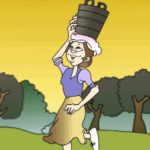
愚公移山 The man who moves mountain

yú gōng yí shān 愚公移山
hěn jiǔ hěn jiǔ yǐ qián, yǒu yí wèi lǎo rén jiào yú gōng.
很久 很久以前,有一位老人叫愚公.
tā jiā mén qián yǒu liǎng zuò dà shān, yòu gāo yòu dà , dǎng zhù le lù, quán jiā rén chū mén dōu hěn bù fāng biàn .
他家门前有 两座 大山, 又高又大 , 挡住了路,全家人出门都很不 方便 。
yǒu yì tiān, yú gōng duì tā de jiā rén shuō:”wǒmen jiā mén qián yǒu liǎng zuò shān, chū mén tài kùn nán le, wǒ men bǎ tā bān zǒu , hǎo bù hǎo ?”
有一天,愚公对他的家人说:”我们家门前有两座山,出门太 困难 了,我们把它 搬走 ,好不好?”
yì jiā rén dōu shuō hǎo, zhǐ yǒu tā de qī zǐ méi yǒu xìn xīn .
一家人都说好,只有他的妻子没有 信心 。
tā shuō:“nǐ yǐ jīng kuài 90 suì le, zěn me néng bān shān ne? ér qiě shān shàng de shí tóu, yào bān dào nǎ lǐ qù ne?”
她说:“你已经快90岁了,怎么能搬山呢? 而且山上的石头,要搬到哪里去呢?”
yú gōng shuō:“kě yǐ rēng dào hǎi lǐ.”
愚公说:“可以 扔 到海里。”
cūn lǐ de rén kàn dào yú gōng zài bān shān, dōu lái bāng zhù tā.
村里的人看到愚公在搬山,都来 帮助 他。
yǒu yí ge jiào zhì sǒu de lǎo tóu kàn dào le, cháo xiào yú gōng tài shǎ .
有一个叫智叟的老头看到了, 嘲笑 愚公太 傻 。
kě shì yú gōng shuō:“wǒ sǐ le hái yǒu ér zi, ér zi hái yǒu sūn zi , wǒmen de rén yuè lái yuè duō , shān shang de shí tou yuè lái yuè shǎo, wǒmen yí dìng néng chéng gōng !”
可是愚公说:“我死了还有儿子,儿子还有 孙子 ,我们的人 越来越多 ,山上的石头越来越少,我们一定能 成功 !”
xiàn zài wǒ men cháng cháng yòng “yú gōng yí shān” lái shuō zuò shì qing yǒu yì lì , bú pà kùn nán , jiān chí dào dǐ.
现在我们常常用“愚公移山”来说做事情有 毅力 , 不怕困难 , 坚持到底 。
Vocabs :
yú gōng yí shān 愚公移山: (idiom) when there is a will, there is a way. (literal: YuGong moves the mountain)
hěn jiǔ 很久: long time
liǎng zuò 两座: two of (座: measure word for mountains)
yòu gāo yòu dà 又高又大: both tall and big (又..又..: both..and..)
fāng biàn 方便: convenient
kùn nán 困难: difficulty (n.), difficult (adj.)
bān zǒu 搬走: to move away, to carry away
xìn xīn 信心: confidence
rēng 扔: to throw
bāng zhù 帮助: to help
cháo xiào 嘲笑: to mock, to laugh at
shǎ 傻: silly
sūn zǐ 孙子: grandson
yuè lái yuè duō 越来越多: more and more (越来越…: more and more…)
chéng gōng 成功: to succeed (v.), success (n.)
yì lì 毅力: willpower, persistence
bú pà kùn nán 不怕困难: to not afraid of difficulty
jiān chí dào dǐ 坚持到底: follow through, to persist to the end
Show English Translation
Homework: (if you leave your answer in the comments below, we’ll correct it for you!)
Please answer the following question:
1) yú gōng wéi shén me yào yí shān? 愚公为什么要移山?
2) yú gōng de qī zǐ shuō le shén me? 愚公的妻子说了什么?
3) yú gōng yí shān yǒu méi yǒu chéng gōng? 愚公移山有没有成功?
4) qǐng yòng “yòu …yòu …” xiě liǎng ge jù zi. 请用 “又…又…” 写两个句子.
5) qǐng yòng “yuè …yuè …” xiě liǎng ge jù zi. 请用 “越…越…” 写两个句子.